
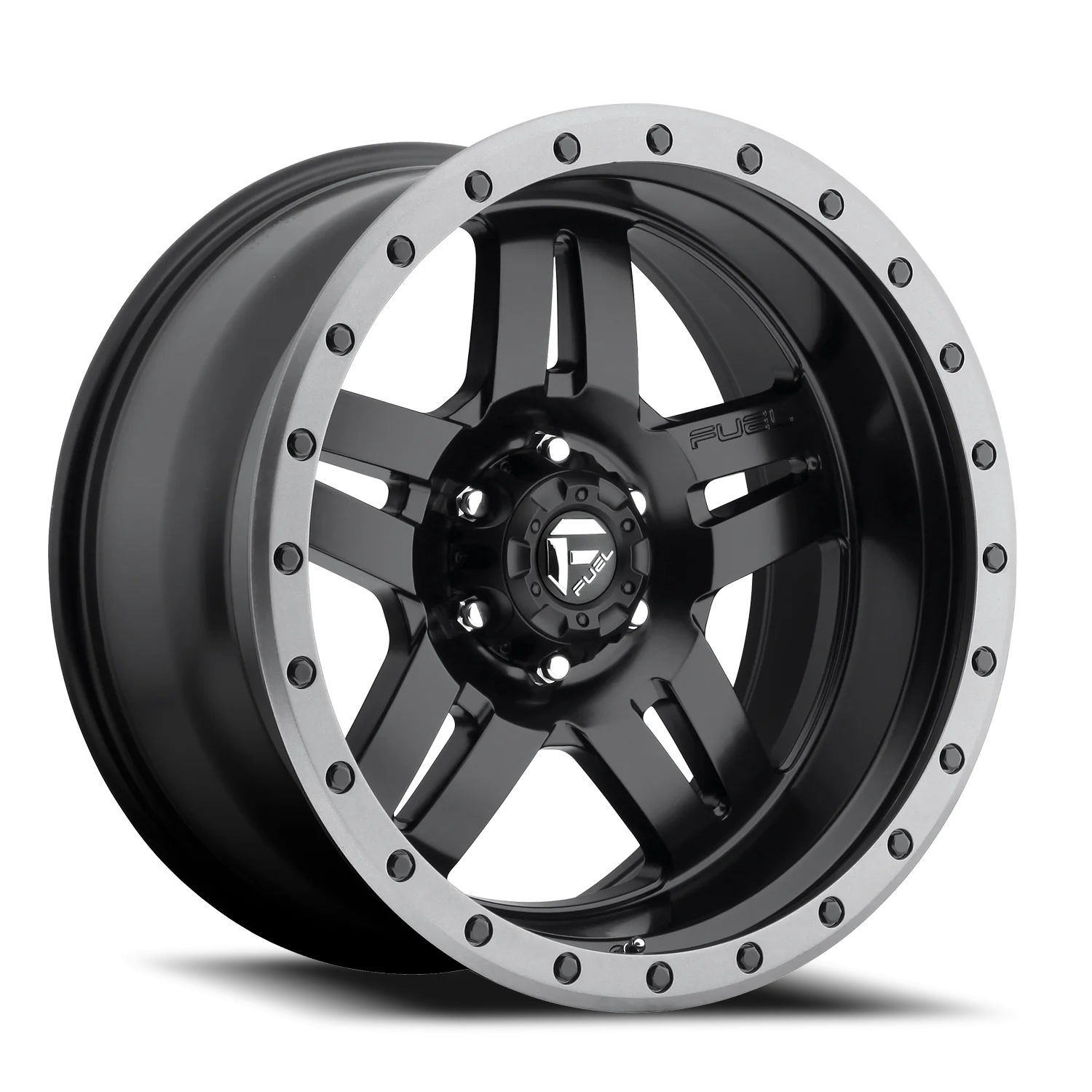
TPMS Sensors: What Happens When You Change Wheels
You just spent good money on a set of wheels, the install went fine, and then a yellow horseshoe lights up on your dash and stays there. This is the most common post-install surprise, and it is entirely predictable — TPMS sensors live inside your wheels, and when the wheels change, the sensors have to be dealt with.
What TPMS Actually Is
Tire Pressure Monitoring Systems have been mandatory on US vehicles since 2008. Most trucks use direct TPMS: a small battery-powered sensor mounted inside each wheel, usually integrated with the valve stem, transmitting real pressure data to the vehicle.
Some vehicles use indirect TPMS, which infers pressure loss from wheel speed differences via the ABS sensors. Indirect systems have no physical sensor in the wheel, so changing wheels is much simpler — you just perform a reset.
If your dash shows individual tire pressures by position, you have direct TPMS.
Your Three Options When Changing Wheels
1. Transfer Your Existing Sensors
The shop removes the sensors from your old wheels and installs them in the new ones. This is the cheapest route and works well if your sensors are relatively new.
Watch for: The rubber grommet and valve core should be replaced during transfer — they are inexpensive service kit parts, and reusing hardened ones causes slow leaks. Also, sensors have non-replaceable batteries with a five to ten year life. Transferring eight-year-old sensors into new wheels usually means replacing them within a year anyway.
2. Buy New Sensors
Fresh sensors installed in the new wheels. Costs more up front but resets the clock on battery life and eliminates the risk of a sensor breaking during removal.
This is the right choice if your current sensors are over five years old, if any have already failed, or if you are keeping the original wheels mounted with winter or trail tires.
3. Run Two Full Sets
If you are keeping your factory wheels for a second tire set, each set needs its own sensors. Many vehicles can store two sensor sets and switch between them, though some require a relearn on each changeover.
The Relearn Procedure
Installing sensors is only half the job. The vehicle has to learn which sensor ID belongs to which corner. There are three approaches, and which one applies depends on your vehicle:
- Auto-relearn: The vehicle figures it out after driving for a period, typically 10 to 20 minutes above a threshold speed. Common on many GM vehicles.
- Stationary relearn: A specific sequence — ignition position, horn honks, sensor activation with a tool in a set wheel order. Common on Ford and Toyota.
- OBD relearn: Sensor IDs are written directly to the vehicle module with a scan tool. Required by many newer vehicles.
Most shops that install wheels regularly have the tools for all three. If a shop tells you the light “will go off on its own,” ask them to confirm your vehicle actually supports auto-relearn — many do not.
Why the Light Sometimes Stays On Anyway
- Dead sensor battery. Most common on vehicles over five years old. No relearn will fix a sensor that is not transmitting.
- Sensor damaged during install. They are fragile. A careless tire machine operator can crack a sensor body or shear the stem.
- Wrong sensor frequency or protocol. Not all aftermarket sensors work with all vehicles. Programmable universal sensors need to be programmed to your specific application.
- Relearn not completed. The sequence has to finish correctly. Interrupting it mid-procedure leaves the system in an unknown state.
- Spare tire sensor. Some trucks monitor the spare. If yours does and the spare sensor is dead, the light stays on no matter what you do to the other four.
Can You Just Ignore It?
Legally, in most states, a TPMS warning light will not fail an inspection on its own. Practically, ignoring it is a bad idea — especially here.
Arizona summer heat means a slow leak becomes a dangerously underinflated tire faster than in a mild climate, and underinflation on 150°F pavement is a primary cause of blowouts. TPMS is your early warning for exactly the failure mode that Arizona makes most likely. See our monsoon and heat tire guide for why pressure discipline matters locally.
There is also a practical point: with the warning light permanently on, you lose the ability to notice a real new problem.
What to Ask Before Your Install
- Are you transferring my sensors or installing new ones?
- Are new service kits (grommet, core, cap) included in the transfer?
- Do you perform the relearn, and is it included in the price?
- What happens if a sensor breaks during removal?
A shop that answers these clearly is a shop that has done it many times.
We Handle It as Part of the Install
Every wheel and tire set we install at our Mesa and Gilbert locations includes TPMS handling — transfer or new sensors, service kits, and the correct relearn for your vehicle. If you already have a light on from a previous install elsewhere, we can diagnose and reprogram it. Get in touch and we will take a look.