
Beadlock vs Simulated Beadlock Wheels: What’s the Difference?
You’ve seen them on trail rigs, mall crawlers, and everything in between: wheels with a ring of bolts around the outer lip. Some are functional, some are for looks. The difference matters more than most people think — especially when you’re building a truck that actually sees dirt. In this guide we’ll break down real beadlock vs simulated beadlock wheels: how each works, when you need the real thing, and why the fake ones might be a smarter choice for your daily driver or weekend trail truck. You’ll leave knowing exactly which style fits your rig and your driving habits.
What Is a Real Beadlock Wheel?
A real beadlock uses a mechanical ring and bolts to clamp the tire’s bead against the wheel barrel. This prevents the tire from slipping or losing air when running extremely low pressures — often below 10 psi. The ring is separate from the wheel itself, bolts directly through the wheel flange, and must be torqued evenly to spec. Real beadlocks are used by rock crawlers, desert racers, and anyone who needs maximum traction on loose surfaces at single-digit tire pressures.
Real beadlocks come with serious trade-offs. Most are steel (heavy), require re-torquing after every off-road run, and are not DOT legal for on-road use in many states, including Arizona. A DOT-legal “beadlock” is rare and typically reserved for specialty wheels that meet specific testing standards. If you encounter a police checkpoint or get pulled over with non-DOT beadlocks, you risk a citation or having the vehicle impounded.
That said, if you’re building a dedicated off-road rig for the desert trails around Gilbert or the rocks of Johnson Canyon, a real beadlock can be the difference between crawling a tough line and sitting on the side with a popped bead.
What Is a Simulated Beadlock Wheel?
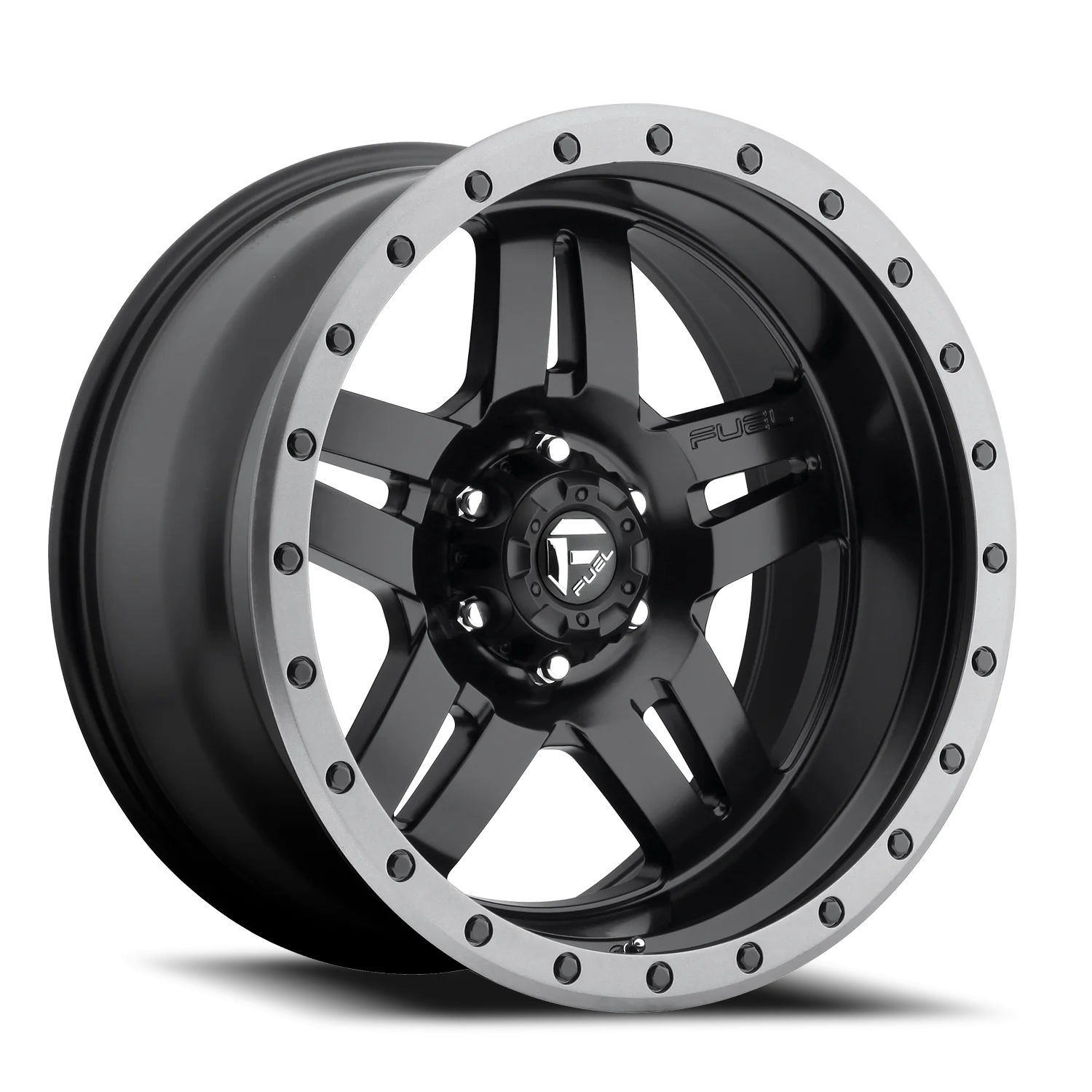
A simulated beadlock (often called a “fake beadlock” or “beadlock-style”) looks like the real thing but has no clamping function. The ring is either machined into the wheel face, pressed in, or bolted as a cosmetic ring that doesn’t touch the tire bead. It’s purely aesthetic — designed to give your truck that aggressive, race-inspired look without the weight, maintenance, or legal headaches of a true beadlock.
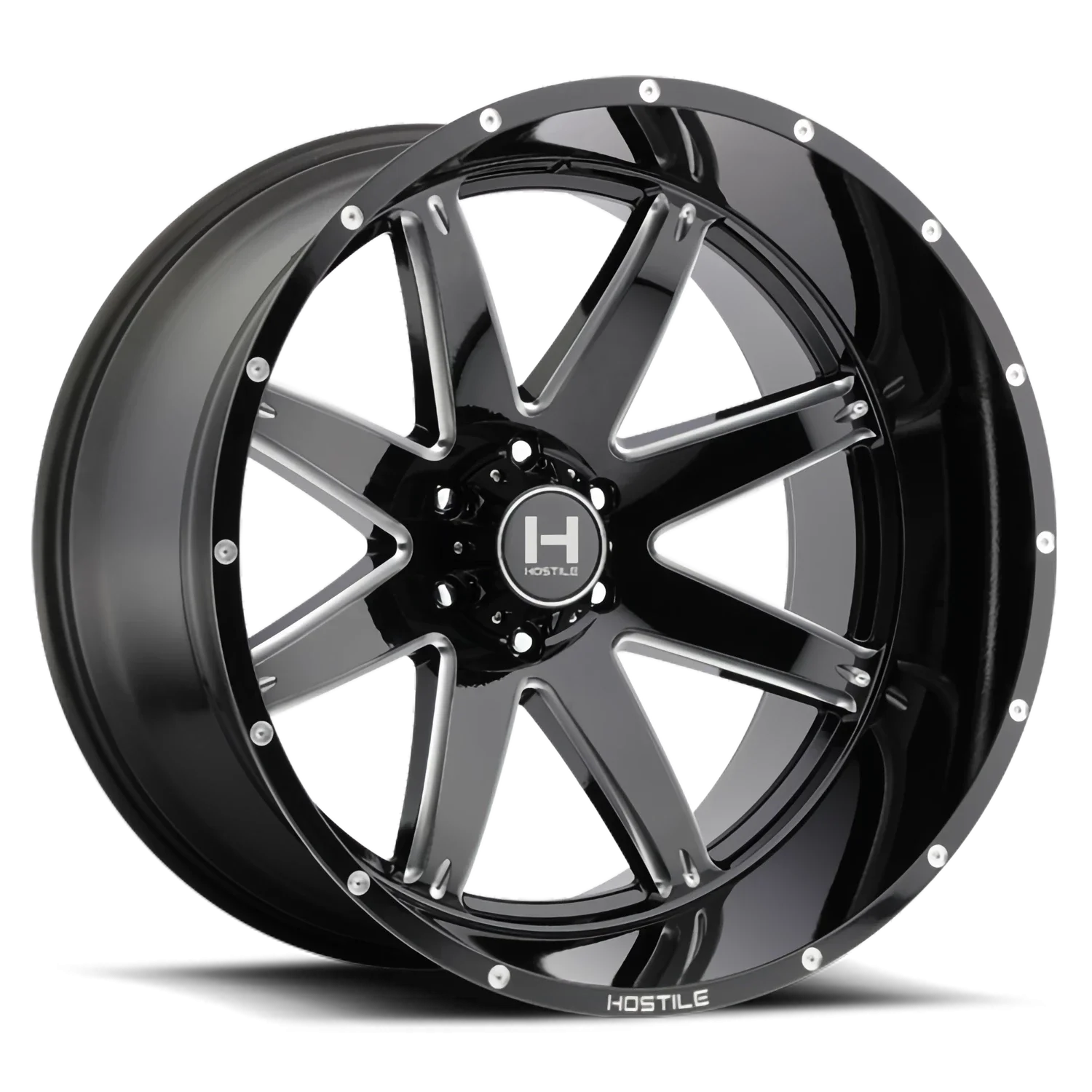
Simulated beadlocks are almost always built on standard one-piece alloy rims. They’re DOT-approved, lighter than steel beadlock wheels, and require no special maintenance. Brands like Fuel Off-Road, Hostile, Moto Metal, and Method Race Wheels offer excellent simulated beadlock designs in virtually every bolt pattern and finish.
For 99% of off-roaders — even those who run rocky trails in Arizona on weekends — a simulated beadlock gives you the look without the downsides. You can run them daily, air down to 18-20 psi for trail work, and never worry about re-torquing rings or DOT compliance.
Key Differences: Real Beadlock vs Simulated Beadlock
| Feature | Real Beadlock | Simulated Beadlock |
|---|---|---|
| Function | Clamps tire bead for low PSI | Cosmetic only |
| DOT Legal (on-road) | Rarely; most are off-road only | Yes, always |
| Weight | Heavy (steel or thick forged) | Light (aluminum alloy) |
| Maintenance | Torque checks before/after each run | None |
| Cost (set of 4) | $400–$1200+ | $200–$600 |
| Best Use | Rock crawling, desert racing, extreme low PSI | Daily driving, overlanding, moderate off-road |
When You Actually Need Real Beadlock
Real beadlocks shine in specific, high-demand scenarios:
- Rock crawling at under 8 psi – When you’re bouncing over boulders and need every square inch of rubber flattening out, a real beadlock keeps the tire seated.
- High-speed desert racing – In the harsh Arizona desert north of Mesa, hitting whoops at speed with low tire pressure can blow a bead on a standard rim. Real beadlocks eliminate that risk.
- Trailering to the trail – If your rig rarely sees pavement and you drive it to the trail on a trailer, DOT legality is irrelevant. Real beadlocks are a pure performance upgrade.
But if you drive your truck to work, take it to the grocery store, or use it as a daily driver while hitting trails on weekends, real beadlocks are overkill. The weight penalty hurts fuel economy and ride quality, and the constant maintenance is a hassle. Plus, if you get pulled over in Arizona with non-DOT beadlocks on a street-driven truck, you could face fines.
Why Simulated Beadlocks Are Right for 99% of Off-Roaders
Here’s the reality: most of us don’t run 5 psi on a regular basis. We air down to 15–20 psi for traction on loose sand or rocky trails, and that’s perfectly fine on a standard one-piece alloy rim — even an aggressive simulated beadlock design. The look is what sells. The ring of bolts around the lip says “I mean business” without adding pounds to each corner.
Simulated beadlocks also come in the widest variety of finishes and offsets. Whether you’re building a Tacoma overlander or a full-size diesel, you can find an affordable simulated beadlock that fits. Common bolt patterns like 5×114.3, 6×135, and 6×139.7 are readily available from brands like Fuel, Hostile, and Method. They’re also lighter, which means less unsprung weight and better handling.
For daily-driven trucks in Mesa and Gilbert that still see desert trails on weekends, a simulated beadlock is the ideal balance. You get the aggressive off-road look, DOT compliance, and no extra work. You can even get wheels with a simulated beadlock ring in a color that matches your truck, like gunmetal or bronze.
Vehicle Fitment Notes
Simulated beadlock wheels are available for nearly every truck and SUV on the road. Some popular applications include:
- Toyota Tacoma, Tundra, 4Runner, FJ Cruiser
- Ford F-150, F-250, F-350, Ranger
- Chevy Silverado, Colorado, Tahoe, Suburban
- Ram 1500, 2500, 3500
- Jeep Wrangler, Gladiator, Grand Cherokee
- Nissan Frontier, Titan
- GMC Sierra, Canyon, Yukon
- Honda Ridgeline
Before ordering, confirm your vehicle’s bolt pattern, offset, and center bore. Most simulated beadlock wheels use standard hub-centric or lug-centric mounting. If you’re unsure, swing by our shop in Mesa or Gilbert for a free fitment check — we’ll help you pick the right fit.
FAQ
Are simulated beadlock wheels safe for highway driving?
Yes. Simulated beadlocks are one-piece DOT-approved wheels. The cosmetic ring does not affect structural integrity. They are as safe as any standard alloy wheel on the highway.
Can I run low tire pressure on simulated beadlock wheels?
You can safely run down to about 15 psi on a simulated beadlock wheel. Below that, you risk popping the bead — the same as any standard rim. For single-digit pressures, you need a real beadlock.
Do simulated beadlock wheels bolt on like a normal wheel?
Yes. The ring is either machined into the wheel or attached as a separate trim piece. The wheel itself mounts exactly like a traditional one-piece rim — no special hardware or installation steps.
Which is better for a daily driver: real or simulated beadlock?
Simulated. Real beadlocks add weight, require frequent torque checks, are not DOT legal, and are overkill for road use. Simulated beadlocks give you the aggressive look with zero compromises.
Do you sell simulated beadlock wheels for Arizona desert trails?
We stock a huge selection of simulated beadlock wheels from top brands like Fuel, Hostile, Moto Metal, and Method. Many of our customers run them on trucks that see trails around Mesa, Gilbert, and beyond.
Get the Look Without the Hassle
Unless you’re running a dedicated rock crawler that never touches pavement, simulated beadlock wheels are the smarter choice. They give your truck the aggressive off-road style you want without the extra weight, constant maintenance, and legal risks of real beadlocks.
Stop by our shop in Mesa or Gilbert for a free fitment check — we’ll help you pick the perfect set from our massive inventory. We serve the entire lower 48 with online shipping, but if you’re local you can take advantage of fast in-store pickup. Browse our selection of wheels and tires and get your rig trail-ready.