
ICWT • MESA & GILBERT · ROUGH COUNTRY 74530
Toyota Tacoma Lift Kit Installation for 2005–2023 and 2024+ Trucks
A practical guide to fitment, installation and planning your build.
Start a Tacoma lift by identifying the model year, rear spring layout and factory suspension package. The 2005–2015, 2016–2023 and 2024+ trucks should be checked against their own kit applications. In 2024, Toyota introduced a rear coil setup on most grades and kept rear leaf springs on selected trucks. That difference changes which rear parts an installation can use.
Know which Tacoma you have
2005–2015. Treat this as its own application group. On a used truck, verify whether the current front struts, rear springs or other hardware are original. Measure ride height before deciding whether you need to replace a worn part, change stance or build around added load. A kit listed for another generation needs explicit approval from the manufacturer for your year and configuration.
2016–2023. Toyota’s 2016 documentation describes a double-wishbone front suspension with coils and a leaf-spring rear setup. A front-height change and a rear spring change are different jobs. If the truck has an existing lift, a permanent bed load or a factory off-road package, identify those details before choosing either. Compare the exact front and rear part numbers on the estimate.
2024 and newer. Use Toyota’s equipment information for your specific year. At the 2024 launch, Toyota listed leaf springs for the SR, SR5 XtraCab and TRD PreRunner, and a multi-link coil rear suspension on most grades. Toyota also describes different factory dampers on trims such as Limited, TRD Pro and Trailhunter. Verify the equipment on the truck and make sure the kit maker explicitly supports it. An XtraCab badge or a photo of a different Tacoma gives only part of the answer.
Choose the lift around the truck’s normal use
Daily driving and occasional dirt roads. Decide whether the goal is a different stance, clearance for a specific tire or replacing tired suspension. Keep your normal commute, parking clearance and ride preferences in the brief. Ask what front travel and alignment adjustment the kit leaves available.
Regular trail driving or permanent equipment. List the bumper, rack, tools, camping gear and other weight that stays on the truck. Ask how the front and rear spring choices account for that load. Describe whether you usually travel slow rocky sections, graded roads or rough washboard. These uses place different demands on the suspension. Check the vehicle’s load ratings separately from the suspension upgrade.
Check wheels and tires before ordering
Give the installer the exact tire model and size, plus wheel diameter, width and offset. Ask about inner clearance to the suspension and outer clearance to the liner and fender, including at full steering lock and through travel. Confirm whether the spare still fits its intended location and remains suitable for the vehicle. If the quote assumes a wheel you don’t plan to buy, ask the shop to check the combination you actually want.
For example, a 2023 Double Cab with a weekend load and a 2024 Tacoma with a permanent rack could both request the same advertised lift height. The first may need a leaf-spring-compatible proposal and a review of worn parts. The second needs its own rear hardware and an estimate built around the rack’s actual weight. The number on the box cannot answer either question.
What should be in the estimate and handover
Send the year, grade, cab, drivetrain, rear spring photos, current ride heights and the parts you are considering. Ask the shop to separate the kit and required hardware, work at each axle, alignment, wheel and tire fitment checks, and any vehicle- or kit-specific inspection or calibration. If a quote assumes existing parts can be reused, ask the shop to say which ones.
At pickup, get a record of installed part numbers and the alignment result. Ask what the installer checked through steering and travel, and follow any inspection interval specified by the kit maker. That record makes later wheel changes easier. See our Tacoma wheel fitment guide when planning that part of the build.
Compare kits in the ICWT catalog
Check the fitment notes for your truck before ordering.
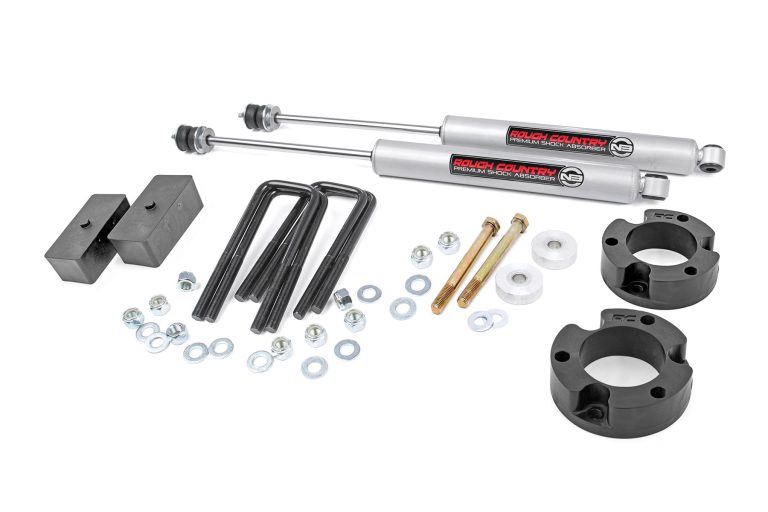
3-inch lift for select 2005–2023 Tacomas
Rough Country · 74530
Compare the exact trim and factory suspension against the kit instructions.
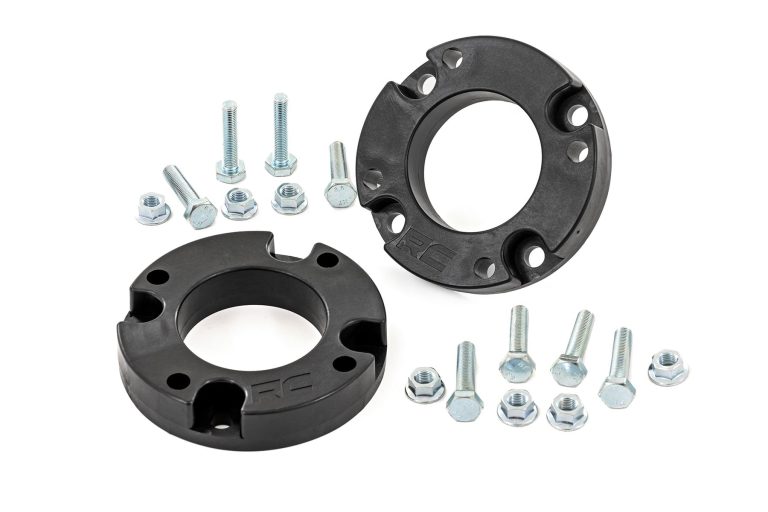
1.5-inch front level for select 2024–2026 Tacomas
Rough Country · 72900
Rough Country excludes Trailhunter, TRD Pro and trucks with Adaptive Variable Suspension.
See ICWT’s service details for Mesa and Gilbert, or request a quote for your vehicle.