
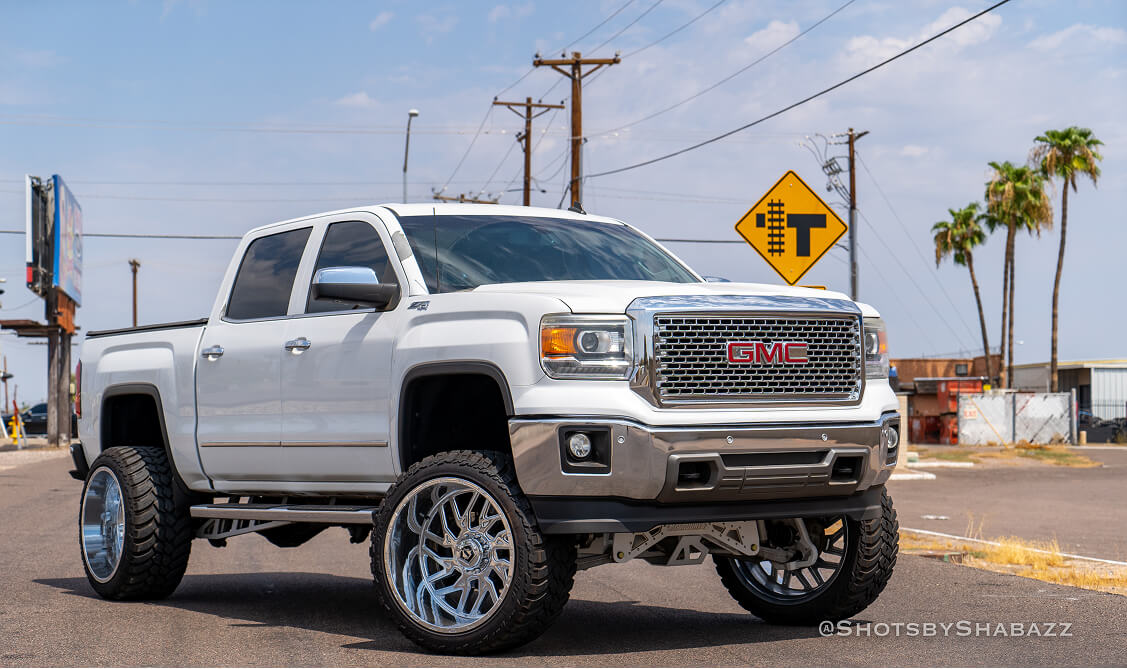
The first trail outing after a long break is a good time to review the whole setup. New wheels or an aggressive tread pattern do not tell you whether the vehicle, equipment, and route are a good match.
Build a short plan before the weekend. It should cover what the truck is equipped for, what has changed since the last outing, and how you will deal with a tire problem without improvising under pressure.
Describe the actual outing
Start with the surface, distance, expected conditions, and your experience. BFGoodrich‘s off-road guidance emphasizes vehicle knowledge, tire choice, preparation, and appropriate driving technique. A graded access road and a technical trail are different jobs even if both appear under an off-road label.
Check current access information with the land manager and follow posted restrictions. Do not use a product photo or someone else’s old trip report as evidence that your intended route is suitable.
List what changed on the vehicle
Write down new tire dimensions, wheel width and offset, suspension changes, and added equipment. If you do not know a specification, gather the invoice or a clear photo of the marking. Ask for a fitment review before assuming that more ride height resolves every clearance question.
A useful request tells the shop how the truck will be used and what it currently carries. That information is more valuable than simply asking for the biggest tire that fits.
Check the spare and equipment together
BFGoodrich recommends confirming that a serviceable spare, jack, and correctly fitting lug wrench are present before you need them. Modified wheels may also require a particular key or socket. Verify the equipment against the vehicle and wheel instructions while the truck is safely parked.
- Know the spare’s specification and intended use.
- Keep the wheel-lock key accessible.
- Confirm that lifting equipment is appropriate for the vehicle.
- Carry a reliable pressure gauge and a suitable inflation plan.
- Save contact and recovery arrangements before losing mobile coverage.
Avoid a universal trail-pressure number
This checklist intentionally does not prescribe an off-road PSI. The appropriate setup depends on the tire, wheel, load, terrain, speed, and manufacturer guidance. Resolve that question for your equipment with a qualified specialist, and establish the proper road setup before returning to highway travel.
After the outing, report new damage, air loss, vibration, or rubbing instead of assuming it is a normal consequence of trail use.
Planning changes first? Send your vehicle details to ICWT through the suspension quote form or wheel quote form. Our Mesa and Gilbert team can help organize the fitment questions before parts are ordered.