
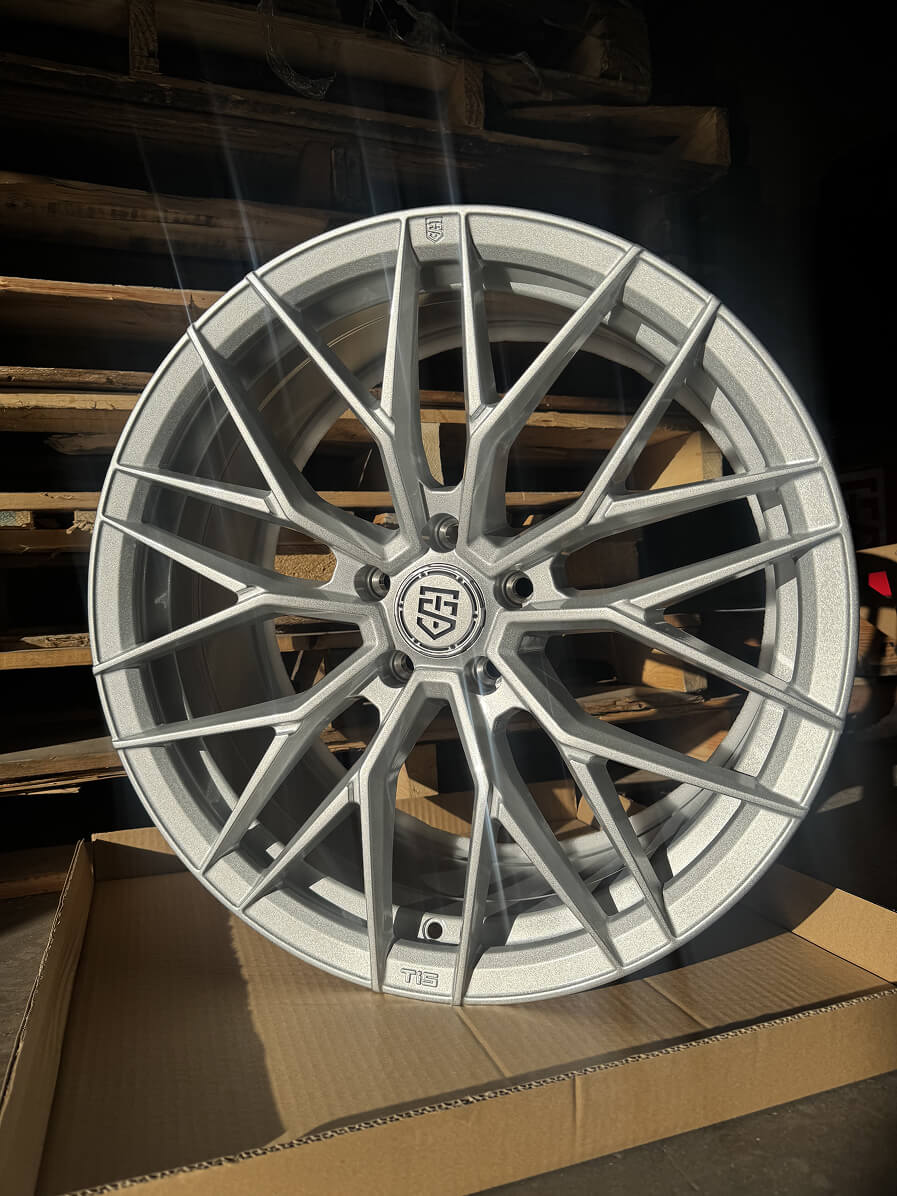
Black, polished, machined, and chrome wheels can look straightforward to clean until the wrong product meets the wrong finish. Before buying a cleaner, identify the wheel and the surface you are caring for.
A silver appearance does not tell you whether a wheel is painted, polished, plated, or clear-coated. That detail determines which care instructions apply.
Find the manufacturer’s instructions
Look up the wheel model and finish on the purchase invoice or manufacturer documentation. Wheel Pros recommends letting wheels cool, using car-wash soap and water, and choosing soft cleaning tools. It also warns that some products marketed specifically for wheels may still be unsuitable.
Its guidance distinguishes clear-coated painted or machined wheels from polished aluminum and chrome. Follow the instructions for your actual wheel instead of treating every shiny surface the same way.
Make a small care record
- Wheel brand, model, and finish name.
- The manufacturer’s care page or supplied instructions.
- The cleaner and tool approved for that finish.
- Any restrictions on polishing, wax, or sealant.
- Photos of the finish when the wheels were installed.
These details are useful if another family member washes the vehicle or you use a detailer. Sharing a short record is easier than trying to explain the finish after a product has already been applied.
Give the job time
Plan wheel cleaning when you can follow the product instructions and inspect the result without rushing. In Arizona, a shaded parking spot can make that routine more comfortable, but shade alone does not tell you that a wheel has cooled.
Use separate, clean tools so grit from another job is not carried onto the finish. If you are unsure about a mark, stop and identify it before escalating to a stronger chemical or abrasive pad.
Distinguish dirt from a change in the surface
Take a clear photo of persistent staining, peeling, pitting, or a new scrape. Record which products were used and when you first noticed the change. Those facts help the manufacturer or service provider assess what you are seeing.
Do not let a cleaning question hide a separate mechanical concern. An impact followed by air loss or vibration needs an inspection; improving the appearance does not establish that the wheel is sound.
Ask before changing the finish
If you are considering refinishing, first confirm the wheel’s condition, current finish, and the proposed process. Ask how the result should be maintained and whether any applicable manufacturer coverage is affected. Keep the answer with your wheel records.
Contact ICWT in Mesa or Gilbert with photos and the wheel details. For a different finish or a new set, start with our wheel quote form.