
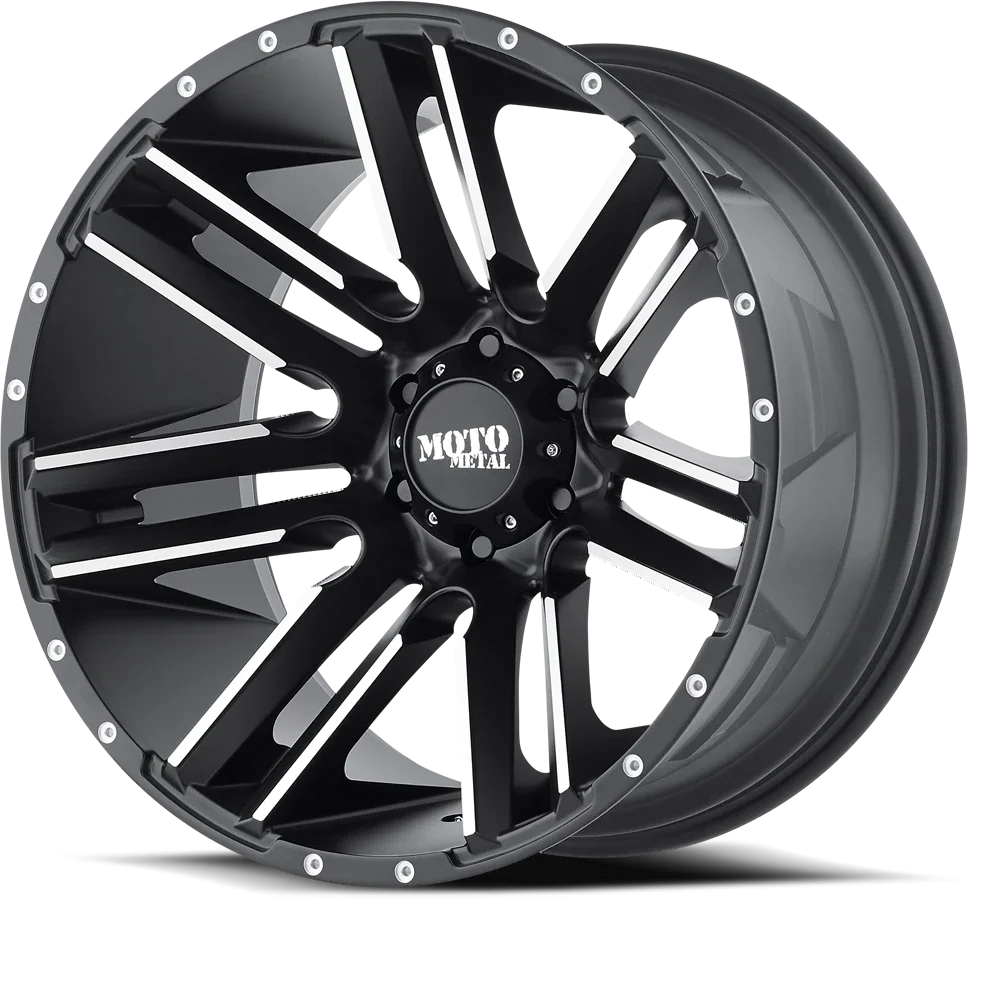
Wheel & Tire Packages: Why Buying Together Saves Money
You can buy wheels from one place, tires from another, and pay a third shop to put them together. Plenty of people do. But the numbers usually work out worse, and the outcome is often worse too — because nobody in that chain is responsible for whether the combination actually works.
Here is what a package actually includes and when it makes sense.
What “Package” Means
A wheel and tire package is a set of four wheels and four matching tires, mounted, balanced, and delivered ready to bolt on. Depending on the shop it typically includes:
- Four wheels in your chosen size, offset, and finish
- Four tires sized correctly for those wheels and your vehicle
- Mounting
- Road force or dynamic balancing
- TPMS sensor transfer or new sensors
- Hub-centric rings if required
- Lug nuts of the correct seat type and thread
The last two items are quietly important. A wrong lug seat type — conical versus mag versus ball — is a genuine safety issue, and it is a detail that gets missed when the parts come from three sources.
Where the Savings Actually Come From
Bundled Labor
Mounting and balancing separately typically runs $25 to $50 per wheel, so $100 to $200 for a set. Most packages include it. On our sets it is included at no charge.
No Double Shipping
Wheels ship from one warehouse, tires from another. Buying separately can mean paying freight twice on heavy items.
Volume Pricing
Shops buying wheels and tires together move more volume with distributors and price accordingly. That margin gets shared.
One Warranty Conversation
This one is hard to price but real. If a wheel develops a bead leak, you have one place to take it — not a wheel vendor blaming the tire and a tire vendor blaming the wheel.
The Fitment Argument Matters More Than the Money
The most expensive mistake in this category is not overpaying. It is buying a set that does not fit.
A wheel and tire package forces someone to verify:
- Tire width is appropriate for the wheel width
- Overall diameter clears your fenders at full lock and full compression
- Offset works with your suspension setup
- Load rating meets your vehicle’s requirement
- Speedometer error stays within tolerance
When you buy piecemeal, nobody checks any of that. You find out on install day, and by then the wheels are mounted and no longer returnable.
When Buying Separately Makes Sense
To be fair, there are cases:
- You already own wheels you like and only need tires.
- You want a very specific tire that a package vendor does not stock.
- You found a genuine deal on used wheels — though verify bolt pattern, bore, and runout before buying.
- You are building a second seasonal set and already have the fitment figured out.
Outside those, packages are usually the better path.
What to Verify Before You Buy Any Package
- Is mounting and balancing genuinely included, or added at checkout?
- Are TPMS sensors handled, and are they new or transferred? Our TPMS guide explains why this matters.
- Are hub-centric rings included if your hub bore is smaller than the wheel bore?
- Are lug nuts included and correct for the wheel’s seat type?
- What is the return policy once tires are mounted? Usually nothing is returnable at that point, which is why fitment verification up front matters.
Budgeting for a Full Set
A complete package for a half-ton truck generally lands between $2,000 and $5,000 depending on wheel construction, diameter, and tire choice. Our wheel budget guide breaks down what changes at each tier, and cast vs forged explains where the money goes on the wheel side.
If the total is more than you want to pay at once, we offer financing options including plans that do not require established credit.
Build Yours With Us
Tell us your vehicle, your suspension setup, and how you use it. We will put together a package that fits — verified against your actual truck, not a generic chart. Mounting and balancing included, TPMS handled, and hardware sorted. Contact our Mesa or Gilbert shop or browse the full catalog.