
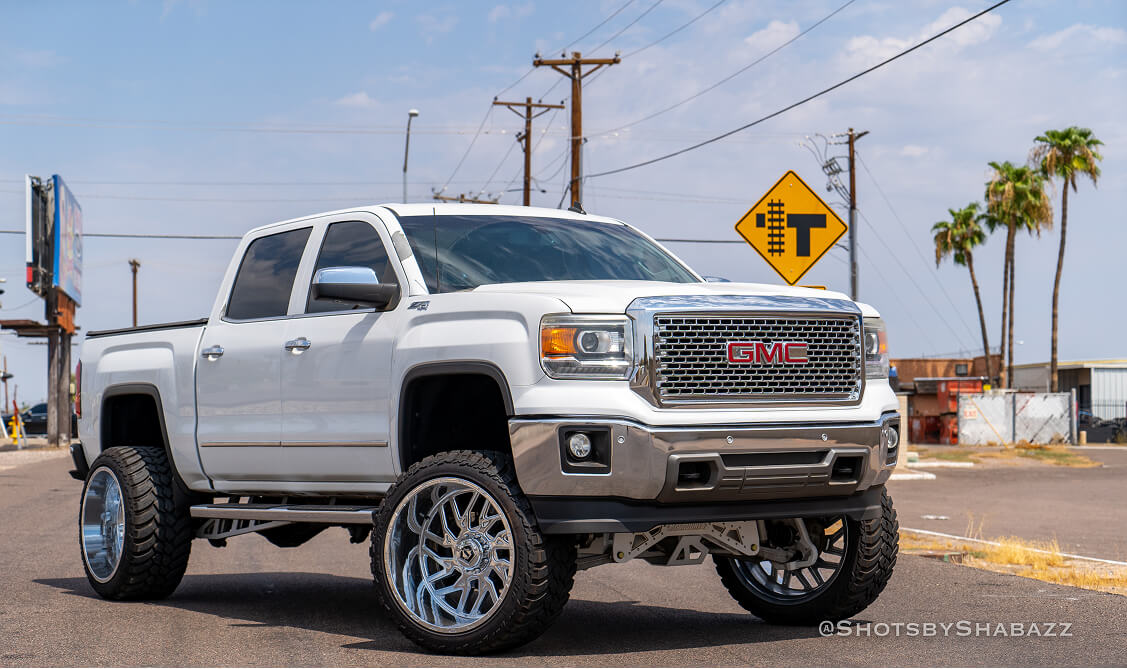
A truck used for towing needs more than a wheel that fits the bolt pattern. The planned setup has to be assessed alongside the vehicle’s weight limits and the load it actually carries.
Start with the vehicle labels and towing documentation. Then bring the proposed wheel and tire specifications into the same conversation. Treating those as separate shopping decisions makes it easier to miss an important constraint.
Understand what a wheel rating describes
Wheel Pros defines wheel load rating as the weight a single wheel is designed to support. That is a component rating. It does not replace the vehicle manufacturer’s gross vehicle or axle weight ratings.
Ford‘s definitions distinguish GVWR, the maximum rated loaded vehicle weight, from GAWR, the rated load for an axle. Those limits concern the vehicle as a system. Installing wheels with a higher component rating does not, by itself, raise the truck’s manufacturer-rated capacity.
Build a useful information packet
- Vehicle year, model, trim, drivetrain, and relevant labels.
- Manufacturer towing information for the exact configuration.
- Wheel brand, part number, dimensions, and stated load rating.
- Tire size, service description, and applicable load information.
- Existing suspension changes and permanently installed equipment.
- Available measured weights for the vehicle and trailer in their loaded configuration.
If a rating or configuration detail is unknown, resolve it before choosing the parts. A seller’s statement that a wheel came off a similar truck is not documentation for your application.
Describe how the truck is loaded
Tell the installer about passengers, tools, bed equipment, and the trailer you intend to use. Explain whether the truck is primarily a daily driver, a work vehicle, or an occasional tow vehicle. That helps keep the recommendation connected to how the truck will actually be used.
A photo of a trailer is not a weight measurement. If the capacity question cannot be answered from the available records, follow the vehicle manufacturer’s weighing and loading guidance with qualified assistance.
Ask for application-specific answers
Request confirmation of the wheel-and-tire combination, required hardware, and the applicable inflation recommendation. Avoid choosing pressure solely from a sidewall maximum or selecting a tire because its load-range letter sounds stronger.
Also ask how the proposed dimensions interact with your current suspension and intended use. A style choice should remain within the verified requirements of the complete setup.
Keep the confirmed specifications
Save the part numbers and written recommendations with the truck’s maintenance records. They will help when replacing a damaged wheel, buying tires later, or discussing a future suspension change.
Use ICWT’s wheel quote form and include that you tow. For tire specifications, send a tire quote request to our Mesa and Gilbert team.