
Negative vs Positive Offset Explained for Truck Owners
If you’ve ever looked at a truck parked in a lot and wondered why some wheels sit flush while others poke way out past the fenders, you’ve been looking at wheel offset in action. Offset is the distance between your wheel’s mounting surface and its centerline, measured in millimeters. It determines how your tires sit in relation to your suspension and body panels. In this guide, we’ll break down what positive, negative, and zero offset mean, how each affects your truck’s handling, stance, and clearance, and which option works best for desert trails, daily driving, or aggressive looks. Whether you’re shopping for new wheels for your Ford F-150 or just want to understand the numbers before you buy, this article gives you the straight facts.
What Is Wheel Offset and How Is It Measured?
Wheel offset is the distance from the wheel’s mounting surface (where the hub meets the wheel) to the wheel’s centerline. The centerline is an imaginary line that splits the wheel width in half. Offset is always measured in millimeters (mm).
Three types of offset exist:
- Positive offset – The mounting surface is closer to the outside (street side) of the wheel. This pushes the tire inward toward the suspension. Most factory wheels use positive offset.
- Negative offset – The mounting surface is closer to the inside (brake side) of the wheel. This pushes the tire outward, creating a wider track and a more aggressive stance.
- Zero offset – The mounting surface sits exactly at the centerline. The wheel sits evenly on both sides of the hub.
Reading offset numbers is straightforward. A wheel with +18mm offset means the mounting surface is 18 millimeters toward the outer face. A wheel with -12mm offset means the mounting surface is 12 millimeters toward the inner barrel. The lower or more negative the number, the more the wheel will stick out.
How Negative Offset Affects Truck Stance and Handling
Negative offset wheels are popular among off-road and desert truck owners because they widen the vehicle’s track. A wider track improves stability when cornering on loose surfaces like the trails around the Superstition Mountains outside Gilbert or the rocky desert near Mesa. But there are trade-offs.
Stance benefits:
- Aggressive, tucked-under look with tires poking past fenders
- More clearance for larger brake calipers and suspension components
- Reduced chance of rubbing on inner wheel wells during full suspension compression
Handling drawbacks:
- Increased scrub radius – tires travel a wider arc during turns, which can pull the wheel off-center
- Heavier steering effort at low speeds
- More stress on wheel bearings, ball joints, and tie rods because leverage is increased
If you’re running 35-inch tires on a Jeep Wrangler with -38mm offset wheels, you’ll likely need fender trimming or aftermarket flares to avoid tire rub against the body. For most trucks like the Toyota Tacoma, a moderate negative offset like -12mm to -18mm provides a balanced stance without major clearance issues.
Positive Offset: When and Why to Use It
Positive offset wheels are the standard for factory trucks and daily drivers. Most OEM wheels fall between +30mm and +50mm offset. The wheel sits closer to the suspension, which keeps the tires tucked under the fenders. This reduces the chance of flinging mud or rocks onto the paint and keeps steering response sharper.
Reasons to stick with positive offset:
- Better fuel economy from reduced aerodynamic drag and rolling resistance
- Less strain on suspension components
- No need for fender modifications or aftermarket flares
- Cleaner, more factory look
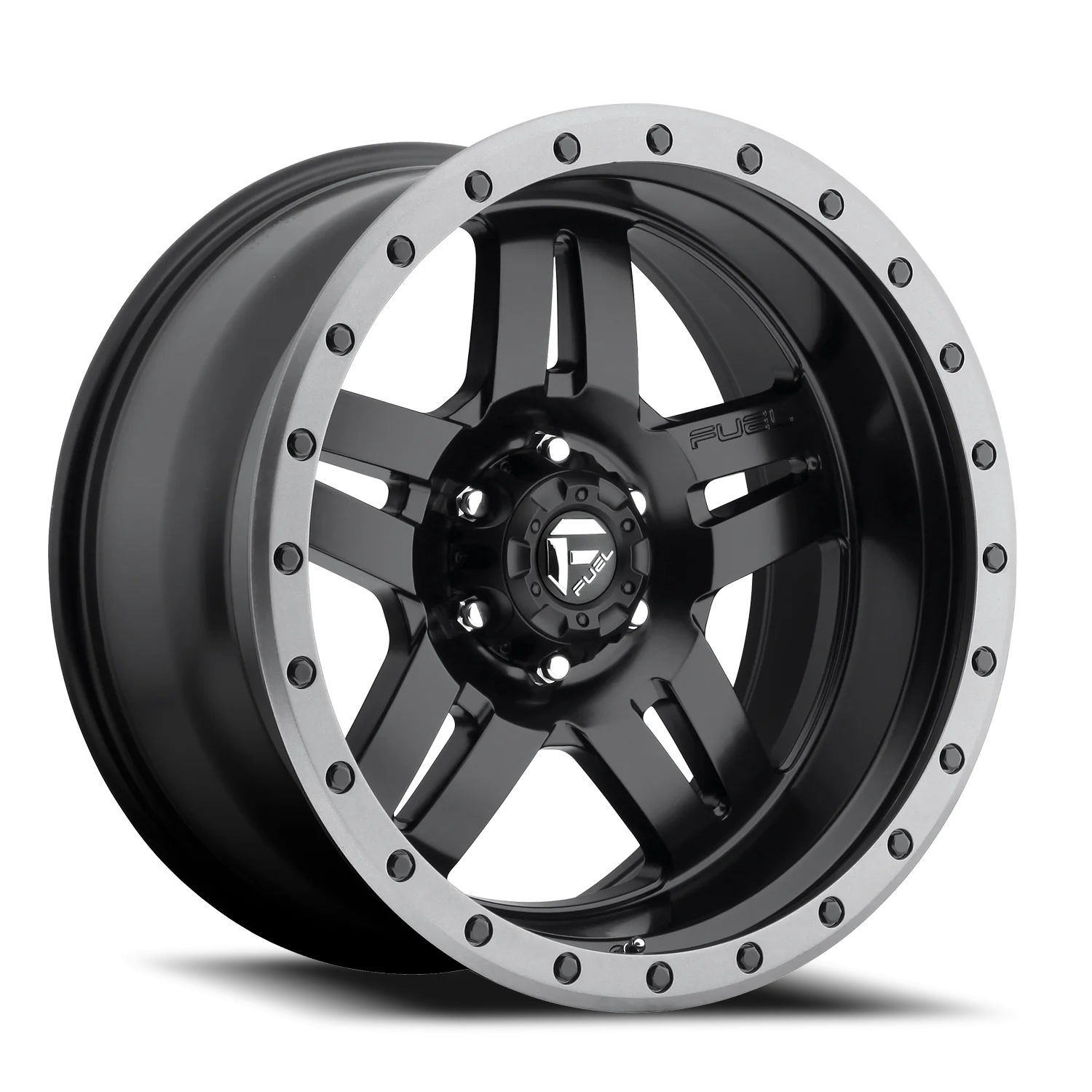
Positive offset wheels shine in snow, rain, or paved roads because the steering feel is more predictable. For a truck used primarily for commuting in the Valley or hauling a trailer, positive offset is the smart choice. Even some aftermarket wheels like certain Fuel wheels come in positive offsets for trucks that see more pavement than dirt.
Zero Offset and Where It Fits
Zero offset wheels sit directly on the centerline. They offer a middle ground between tucked and poke. For many Jeeps and older trucks, zero offset is close to the original offset spec. Zero offset provides a slightly wider track than positive offset but less aggressive than negative. It’s common on Method Race Wheels and Moto Metal wheels for trucks that split time between trail and street.
Zero offset usually requires no fender trimming for standard tire sizes (33-inch or smaller on most half-ton trucks). It gives a mild stance that looks purposeful without going full bro-dozer. If you’re unsure about which offset to choose for your first set of aftermarket wheels, zero offset is a safe bet.
Quick Comparison Table: Positive vs Negative vs Zero Offset
| Aspect | Positive Offset | Negative Offset | Zero Offset |
|---|---|---|---|
| Tire position relative to fender | Tucked inward | Pokes outward | Flush or slight poke |
| Track width | Narrow | Wide | Moderate |
| Steering feel | Light, precise | Heavier, vague on bumps | Balanced |
| Suspension stress | Low | High (bearings, ball joints) | Moderate |
| Common use | Daily driving, towing | Off-road, show trucks | Mixed use |
| Clearance for big tires | Less inner clearance | More inner clearance | Good inner clearance |
| Fender trimming often needed? | No | Yes (frequent) | Sometimes |
| Example offset values | +18mm, +30mm, +50mm | -12mm, -18mm, -38mm | 0mm |
How Offset Affects Tire Clearance and Suspension Wear
When you change offset, you change the geometry of your front suspension. Negative offset pushes the tire’s contact patch outward, which increases the leverage on the wheel bearings. Over time, this accelerated wear leads to play in the front end and premature bearing failure. Ball joints and tie rod ends also see more load because the steering axis is no longer centered over the tire’s contact patch.
Clearance from offset is a two-sided coin. Negative offset moves the tire away from the suspension, which helps when running wide tires or aftermarket upper control arms. But it moves the tire closer to the fender. On a truck like the Chevrolet Silverado 1500 with -18mm offset and 12.5-inch-wide tires, you’ll likely hit the fender on full compression unless you trim metal or install a leveling kit.
Positive offset avoids most fender issues but can cause rubbing on the sway bar or control arm when using wider tires. Always check backspacing (related to offset) to ensure your tires clear the suspension. Use a test fit before mounting if possible. At Ice Creams Wheels and Tires, we offer free fitment checks on any wheel and tire package.
Vehicle Fitment Notes
Here are models we see most often at our Mesa and Gilbert locations and what offset works well for each:
- Toyota Tacoma – Most 3rd-gen Tacomas benefit from -12mm to 0mm offset with 8.5-inch-wide wheels. Avoid extreme negative offset unless you run a long-travel setup.
- Ford F-150 – +18mm to 0mm offset works for 33-inch tires. For 35s on a leveled truck, -12mm to -18mm gives better inner clearance but may require fender trimming.
- Jeep Wrangler JL – Stock offset is around +44mm. For 35-inch tires, -12mm offset helps clearance without cutting too much. Check cast-steering knuckle clearance.
- Chevrolet Silverado 1500 – +20mm to -6mm offset suits most builds. Negative offsets beyond -18mm often need aftermarket upper control arms.
- Ram 1500 – +19mm to -6mm is common. Watch for rubbing on the sway bar with wide tires at extreme negative offsets.
- Nissan Frontier – +30mm to +10mm offset. Going too negative causes aggressive rubbing without cutting the front bumper.
- Toyota 4Runner – +4mm to -12mm offset fits well with 32-33 inch tires. More negative requires removing mud flaps.
Note: These are general guidelines. Actual fitment varies by tire size, lift, and wheel width. Our team can check bolt patterns like 6×139.7, 6×135, or 5×114.3 hubs for your specific truck.
FAQ
Can I run negative offset wheels without a lift?
Yes, but you may experience fender rubbing on sharp turns or bumps, especially with wider tires. A leveling kit or small lift often helps without costing much. For trucks with coilover suspensions, negative offset can cause uncontrolled tire contact with the body at full compression.
Does negative offset affect ride quality?
Ride quality changes more from tire sidewall than offset itself. However, negative offset makes the truck feel heavier in corners and more likely to wander on grooved pavement. Some drivers complain of a “twitchy” feel over expansion joints.
How do I know what offset my current wheels have?
Check the back of the wheel spokes for stamped numbers like “+18” or “12mm.” If the stamp says “18” without a sign, it’s usually positive. For aftermarket wheels, measure from the mounting surface to the inner lip of the wheel rim (backspacing) and calculate offset using the wheel width.
Do I need aftermarket lug nuts with different offset?
Offset change doesn’t require different lug nuts unless you switch to wheels with a different seat type (cone vs ball vs flat). If you keep the same bolt pattern, lug nuts from your old wheels should work if the seats match. Always verify thread pitch and seating angle.
Will negative offset void my warranty?
Factory warranties cover defects in materials and workmanship, not modifications. If a wheel bearing fails prematurely and the dealer traces it to aftermarket offset wheels, they may deny the claim. Some manufacturers are stricter than others. Check with your dealer before modifying.
Final Thoughts: Choosing the Right Offset at ICWT
Picking between negative vs positive offset wheels comes down to how you use your truck. For daily drivers hitting the pavement around Mesa and Gilbert, positive offset keeps the ride comfortable and the suspension happy. For off-roaders or anyone wanting that wide, purposeful stance, negative offset delivers—but demands more maintenance and possibly body modifications. Zero offset is the compromise that works for most builds.
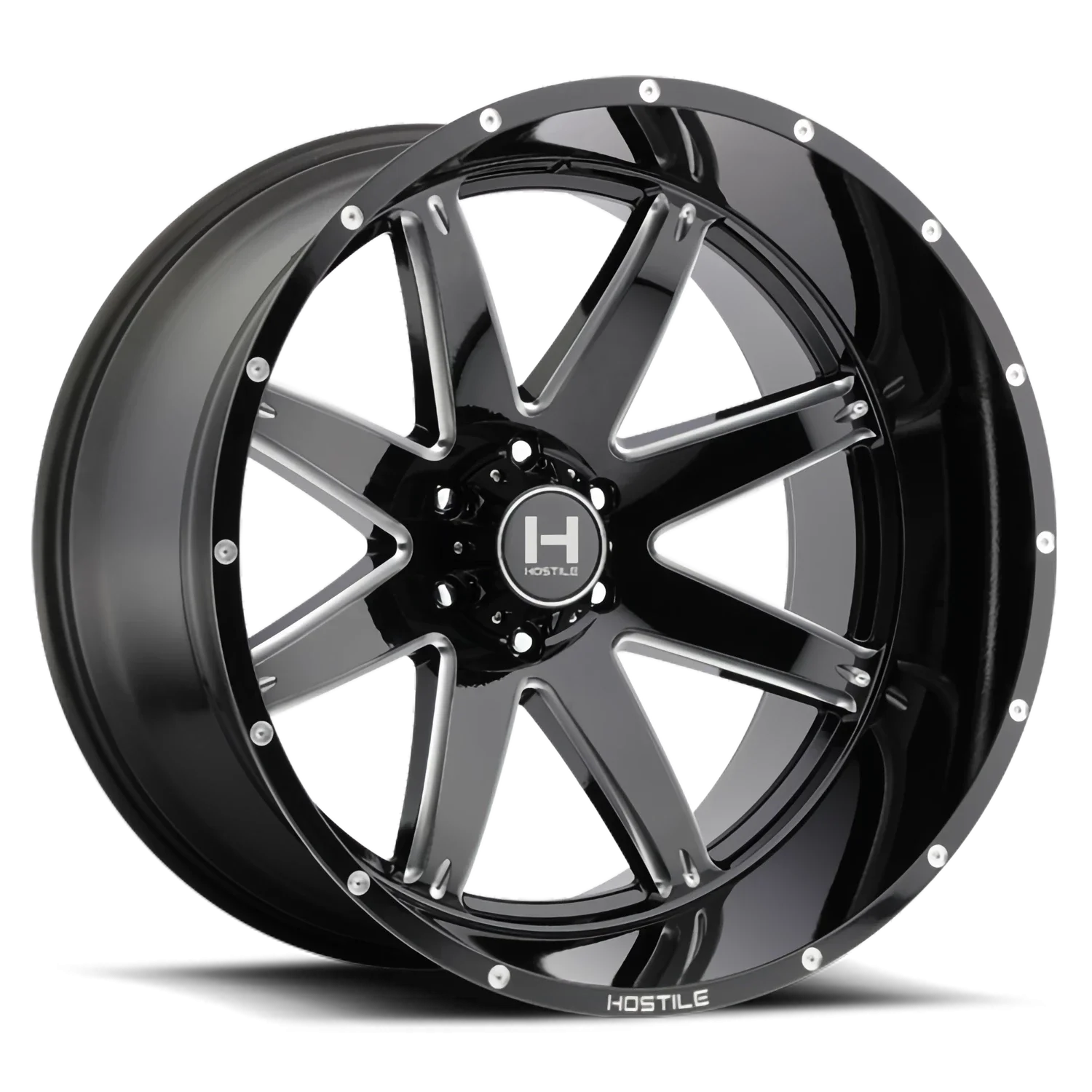
Come see us at Ice Creams Wheels and Tires in Mesa or Gilbert, Arizona. We carry brands like Hostile wheels in multiple offsets and bolt patterns. Our crew offers free fitment checks in person before you buy, and we can help you pick wheels that balance look and function. Whether you’re building a desert truck for the Superstition Mountains or a daily runner for the Valley, we’ve got the right setup for you. Stop in or shop online today.