
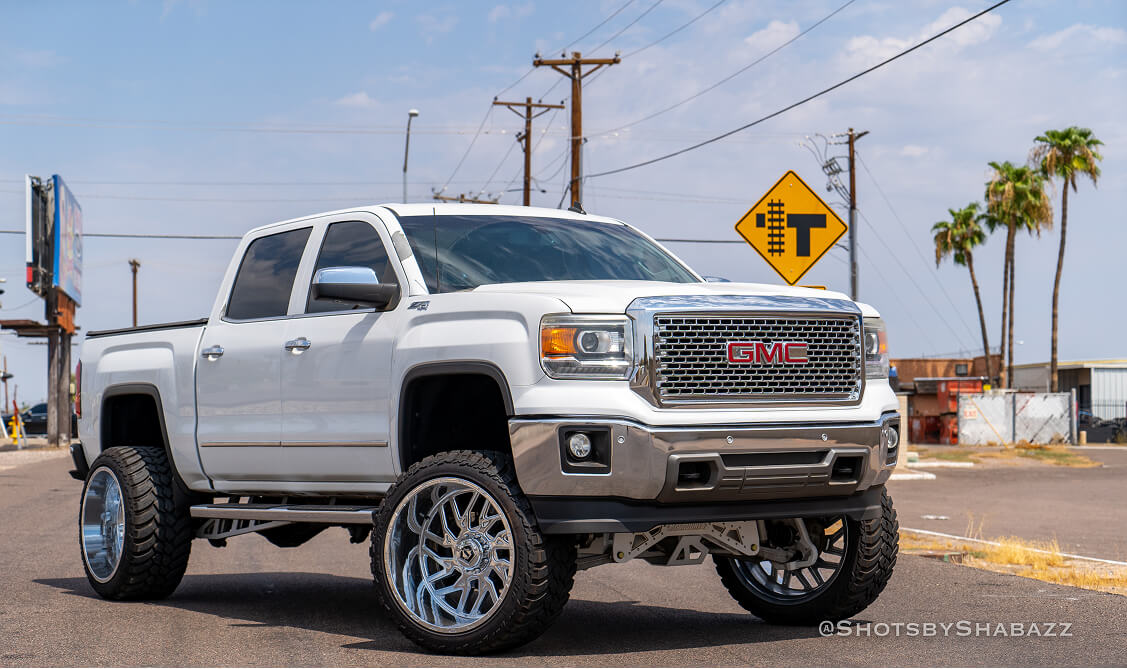
Your truck has the new stance you wanted, and the installation invoice is ready. Before you leave, spend a few minutes on the alignment report and the handover notes. They should explain the result in terms you can use later.
You do not need to become an alignment technician. You need to know which setup was checked, whether the required adjustments were achieved, and what still needs attention.
Confirm the vehicle and specification
Check that the report identifies the correct vehicle application. Tell the shop about the installed kit and any additional suspension parts. Hunter‘s alignment workflow starts with the vehicle specifications, measures the wheel angles, and records the results.
Ask how the vehicle and kit requirements were applied. A number copied from another lifted truck is not a substitute for the correct application information.
Review before-and-after results
Ask the technician to point out what changed and explain any measurement outside the applicable range. Common report labels include camber, caster, and toe. The useful takeaway is which measurements were corrected and whether anything remains unresolved.
Do not rely on the color alone. Read the vehicle details, dates, and notes alongside the displayed results, and keep a copy of the report.
Ask about adjustment limits
Rough Country explains that a lifted application may need particular control arms or other geometry corrections, depending on the vehicle and kit. Such parts do not eliminate the need for an alignment.
If the required settings cannot be achieved, ask what is preventing them and what the manufacturer-supported next step is. Request a clear explanation before approving additional parts. A vague statement that lifted trucks are always like that leaves the important question unanswered.
Make the handover specific
- Save the kit and installed-part numbers.
- Keep the alignment report with the invoice.
- Confirm the current wheel and tire specifications.
- Ask for the kit manufacturer’s follow-up inspection instructions.
- Record the shop’s contact information for new symptoms.
If the vehicle requires other setup procedures after modification, ask which apply and whether they were completed. Do not assume that the alignment printout documents every possible post-installation check.
Report changes promptly
New pulling, vibration, rubbing, or steering behavior deserves a follow-up conversation. Describe when it happens and whether anything changed after delivery. Do not wait for the next routine visit if the vehicle feels unsafe.
ICWT provides wheel alignment service and lift kit installation in Mesa and Gilbert. When discussing your build, ask for the alignment and handover requirements to be included in the scope from the beginning.