
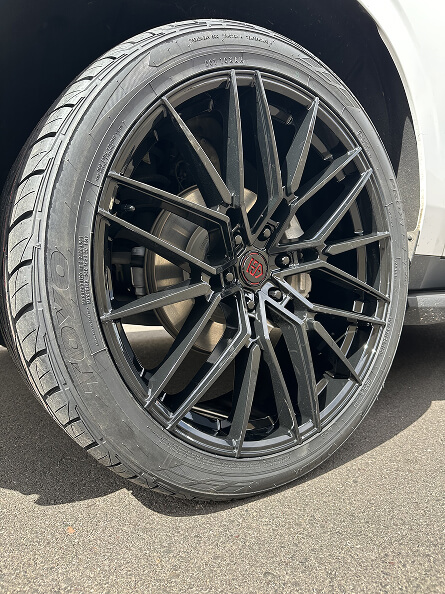
Fall plans often start with a destination. Start this year’s plans with the tires that will take you there. A vehicle that spent summer parked outside, carrying work equipment, or covering highway miles may need a different conversation from a weekend truck that barely moved.
The goal is to gather enough information to make a sensible maintenance decision. A calendar date, a tread photo, or low mileage cannot tell the whole story on its own.
Bring the service history into the conversation
USTMA explains that tire service life depends on use, storage, maintenance, and overall condition. A lightly driven tire can still need attention. Manufacturer recommendations also matter, so check the guidance for the actual tires and vehicle you own.
Look for your purchase receipt, rotation records, and any previous inspection notes. If you cannot find them, say so. An honest gap in the history is more useful than guessing that the tires are only a couple of years old.
Walk around the vehicle in good light
Look for visible changes: an unusual bulge, a cut, cracking, or tread that looks different from one side to the other. Michelin lists damage, age, and wear among the factors to assess when deciding on replacement. A photograph can help start the discussion, but it cannot reveal everything inside a tire.
Do not crawl under an unsupported vehicle to inspect inner surfaces. Leave inaccessible areas to a professional. If you see serious damage or experience a sudden handling change, stop using the vehicle and arrange safe assistance.
Describe what happened during summer
- Did the vehicle sit unused for weeks at a time?
- Was there a curb impact or pothole strike?
- Did one tire repeatedly need air?
- Did vibration, pulling, or road noise change?
- Were wheels, tires, suspension parts, or ride height changed?
These questions are not a pass-or-fail test. They help focus an inspection on the history of your vehicle. Mention symptoms even if they come and go.
Turn the inspection into a clear decision
Ask the technician to separate findings into three groups: items needing immediate attention, maintenance that is due, and observations to track. Request measurements and photos where useful. If replacement is recommended, ask which finding supports it and what specification the new tire needs to meet.
For a vehicle shared by several drivers, keep the recommendation with the maintenance records so everyone has the same information. That small step makes it easier to follow through before the next long trip.
Contact ICWT in Mesa or Gilbert with your concerns. If the next step is a new set, our tire quote form is a useful place to send the vehicle details and current size.