

Cast vs Forged Wheels: Which Is Right for Your Truck?
If you’ve ever shopped for wheels for your truck, you’ve probably seen the terms “cast” and “forged” thrown around. But what do they actually mean for how your truck drives, handles, and holds up on the trail? The difference isn’t just marketing hype—it’s about how the metal is shaped, which directly affects strength, weight, and price. In this guide, we’ll break down cast vs forged wheels in plain English, covering flow-forming (the middle ground), real-world durability, and which option makes sense for your daily driver, off-road rig, or weekend toy. By the end, you’ll know exactly what to look for when you shop wheels.
How Cast Wheels Are Made
Casting is the most common wheel manufacturing process. Molten aluminum or alloy is poured into a mold and allowed to cool and solidify. Once the wheel hardens, it’s removed, machined for bolt holes and center bore, then finished with paint or a clear coat. This method is fast and cost-effective, which is why cast wheels are the budget-friendly standard for most OEM and aftermarket wheels.
Pros of Cast Wheels
- Affordable – Lowest upfront cost per wheel.
- Wide variety – Tons of styles, sizes, and finishes available.
- Good for daily driving – Plenty strong for pavement and light off-road.
Cons of Cast Wheels
- Heavier – More material needed to achieve strength.
- Less impact-resistant – Can crack under severe abuse.
- Porous structure – Microscopic air pockets can weaken the wheel.
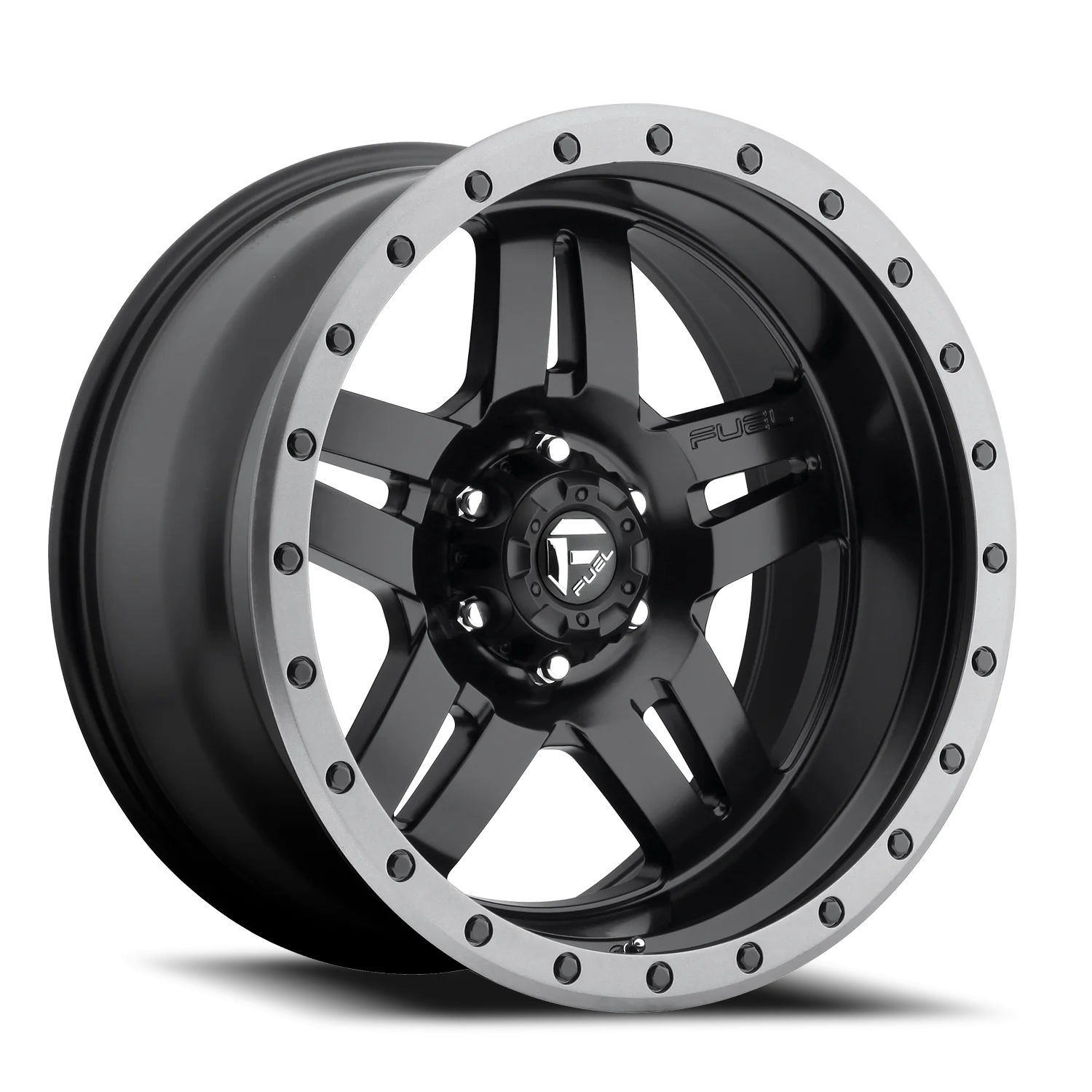
Most cast wheels you’ll find at a tire shop or online are gravity-cast or low-pressure cast. They’re perfectly fine for a daily-driven truck that sees paved roads and occasional gravel. Brands like Fuel Off-Road offer cast wheels that balance looks and cost for the average truck owner.
How Forged Wheels Are Made
Forging is a completely different process. A solid block of aluminum (called a billet) is heated and then smashed under extreme pressure—often thousands of tons—into a wheel shape. This compresses the metal grain structure, making it denser and stronger than cast metal. After forging, the wheel is machined to final specs and finished.
Pros of Forged Wheels
- Lighter – Up to 30% lighter than a comparable cast wheel.
- Stronger – Handles impacts and off-road abuse better.
- Better heat dissipation – Helps brakes stay cool.
- Longer lifespan – Less prone to cracking or bending.
Cons of Forged Wheels
- Expensive – Often 2–4x the cost of cast wheels.
- Fewer style options – Not as many designs available.
- Overkill for most drivers – Unless you’re racing or rock crawling.
Forged wheels are the go-to for serious off-roaders, racers, and anyone who needs maximum strength with minimum weight. If you’re building a truck that sees hardcore trails, a set of forged wheels is worth the investment.
Flow-Formed Wheels: The Middle Ground
Flow-forming (also called rotary forging) is a hybrid process. A cast wheel blank is spun at high speed while rollers press the barrel area outward, stretching and compressing the metal. This creates a wheel with the strength and weight closer to a forged wheel but at a cast-like price. Flow-formed wheels are the sweet spot for many truck owners.
Why Flow-Formed Works for Trucks
- Lighter than cast – Reduces unsprung weight.
- Stronger than cast – Better impact resistance.
- More affordable than forged – Usually 20–40% less.
Many aftermarket brands now offer flow-formed options. If you want a wheel that can handle Arizona’s desert trails without breaking the bank, flow-formed is a solid choice.
Cast vs Forged vs Flow-Formed: Quick Comparison Table
| Feature | Cast | Flow-Formed | Forged |
|---|---|---|---|
| Manufacturing process | Molten metal poured into mold | Cast blank + spun/rolled | Solid billet compressed under pressure |
| Strength | Good | Better | Best |
| Weight | Heaviest | Medium | Lightest |
| Impact resistance | Moderate | High | Very high |
| Cost per wheel (approx) | $100–$250 | $200–$400 | $400–$1,200+ |
| Best use case | Daily driver, pavement | Light off-road, daily driver | Hard off-road, racing, heavy towing |
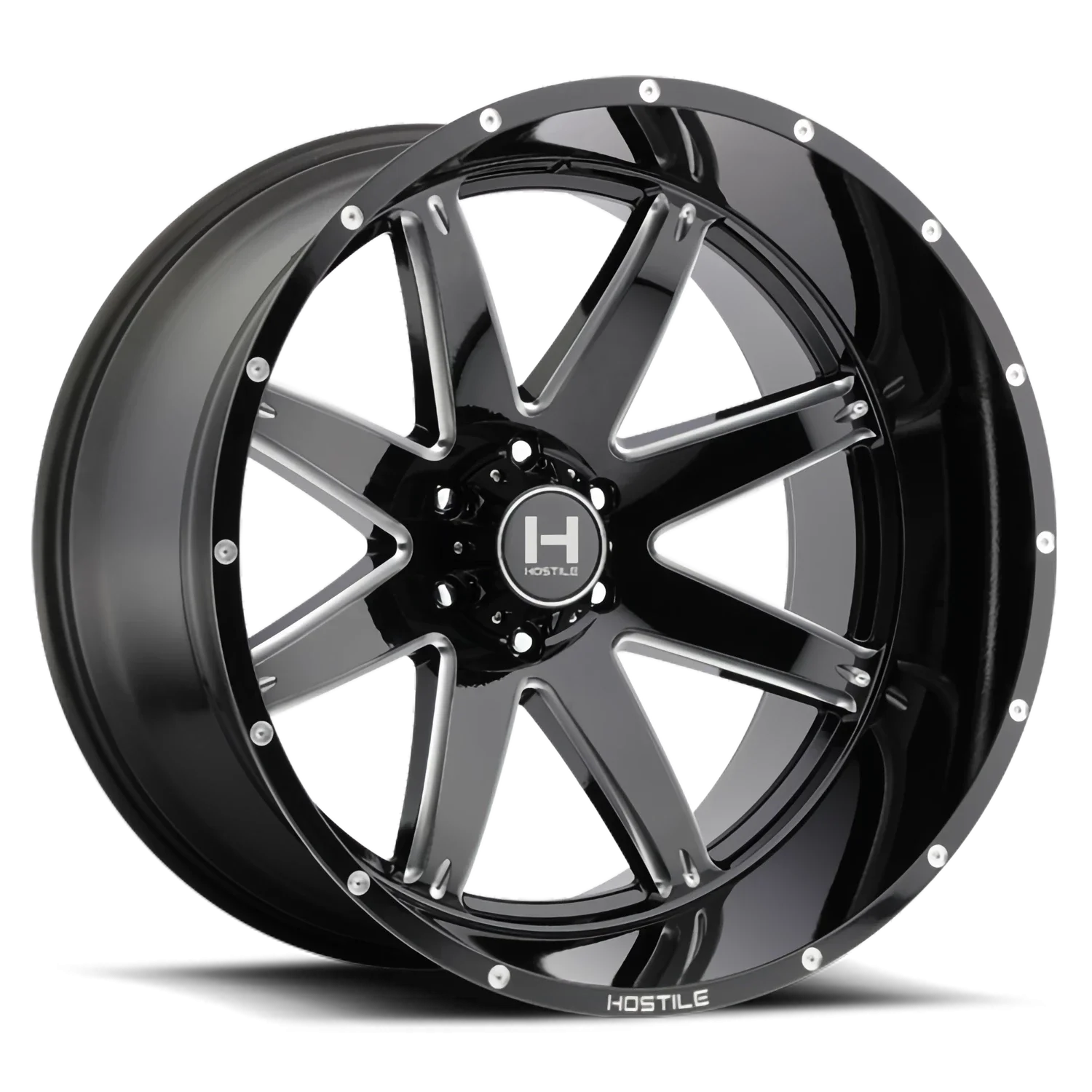
| Example brands | Fuel, many OEMs | Various aftermarket | Hostile (some), Moto Metal (some) |
Which One Should You Choose for Your Truck?
The answer depends on how you use your truck. Here’s a breakdown by driving style:
Daily Driver / Pavement Queen
If your truck mostly sees paved roads, grocery runs, and highway commutes, cast wheels are more than enough. They’re affordable, come in every style you can imagine, and will last the life of the truck. Look for cast wheels in common bolt patterns like 5×114.3 or 6×135 for most modern trucks.
Light Off-Road / Weekend Trails
If you hit dirt roads, forest service trails, or mild desert runs around Mesa or Gilbert, flow-formed wheels offer a good balance of weight savings and durability without the forged price tag. They’ll handle the occasional rock or pothole better than cast.
Hardcore Off-Road / Rock Crawling / Racing
If you’re bombing through the Mojave Desert or crawling over boulders in Arizona’s backcountry, forged wheels are the way to go. They’re lighter, stronger, and less likely to crack when you smack a rock. The extra cost is worth it when your wheel (and your trip) is on the line.
Vehicle Fitment Notes
Wheel fitment depends on bolt pattern, offset, and center bore. Here are some common truck models and what works:
- Toyota Tacoma – 6×139.7 bolt pattern, typically 16–17 inch wheels. 6×139.7 is the standard.
- Toyota Tundra – 5×150 or 6×139.7 depending on generation.
- Ford F-150 – 6×135 bolt pattern on most models.
- Ram 1500 – 5×5.5 or 6×139.7 depending on year.
- Chevy Silverado / GMC Sierra – 6×139.7 on 1500 models.
- Jeep Wrangler / Gladiator – 5×5 (5×127) on most.
- Nissan Frontier – 6×139.7 bolt pattern.
Always check your specific model’s specs before buying. If you’re unsure, bring your truck to our shop in Mesa or Gilbert for a free fitment check.
FAQ: Cast vs Forged Wheels
Are cast wheels safe for off-road use?
Cast wheels are safe for light off-road use like gravel roads and mild trails. For heavy rock crawling or high-speed desert running, forged or flow-formed wheels are safer because they resist cracking better under impact.
How much lighter are forged wheels compared to cast?
Forged wheels are typically 20–30% lighter than a comparable cast wheel. For example, a 17×9 cast wheel might weigh 30 lbs, while a forged version could be 22–24 lbs. That weight savings reduces unsprung mass and improves handling.
Can I tell if a wheel is cast or forged by looking at it?
Not usually. Both can look identical from the outside. The difference is in the manufacturing process and internal grain structure. Check the manufacturer’s specifications or look for markings like “FORGED” on the wheel barrel. If it’s a budget-friendly wheel, it’s almost certainly cast.
Do forged wheels crack more easily than cast?
No—forged wheels are actually more resistant to cracking. The forging process aligns the metal grain, making it tougher. Cast wheels are more likely to crack under extreme impact because of their porous structure. That said, any wheel can crack if hit hard enough.
Are flow-formed wheels as good as forged?
Flow-formed wheels are close but not identical to forged. They’re stronger and lighter than cast but not quite as strong or light as true forged. For most truck owners, flow-formed is an excellent middle ground that balances cost and performance.
What’s the best wheel for a truck that tows heavy loads?
Forged wheels are best for heavy towing because they handle higher loads and dissipate heat better. If forged is out of your budget, flow-formed wheels are a good second choice. Avoid cheap cast wheels for constant heavy towing.
Final Thoughts: Making the Right Choice
Cast wheels are a solid, budget-friendly option for daily driving. Flow-formed wheels offer a great balance of strength and cost for light off-road use. Forged wheels are the premium choice for serious off-roaders, racers, and anyone who wants the lightest, strongest wheel possible. No matter which you choose, make sure the bolt pattern matches your truck. If you’re in Mesa or Gilbert, stop by Ice Creams Wheels and Tires for a free fitment check and expert advice. We carry a huge selection of wheels from top brands like Fuel, Hostile, and Moto Metal, plus we can help you pick the right one for your truck and your budget. Whether you need Tacoma wheels or something for a full-size, we’ve got you covered. Come see us—we’ll get you rolling.